

Blog
Rethinking Warehouse Racking: Build the Foundation for an Automated Future
NBWA Associate Member KPI Solutions explores how proactive infrastructure decisions, such as modernizing warehouse racking, can prevent organizational stagnation and position operations for scalable automation.
By Mike Klaer – SVP, Strategic Accounts at KPI Solutions
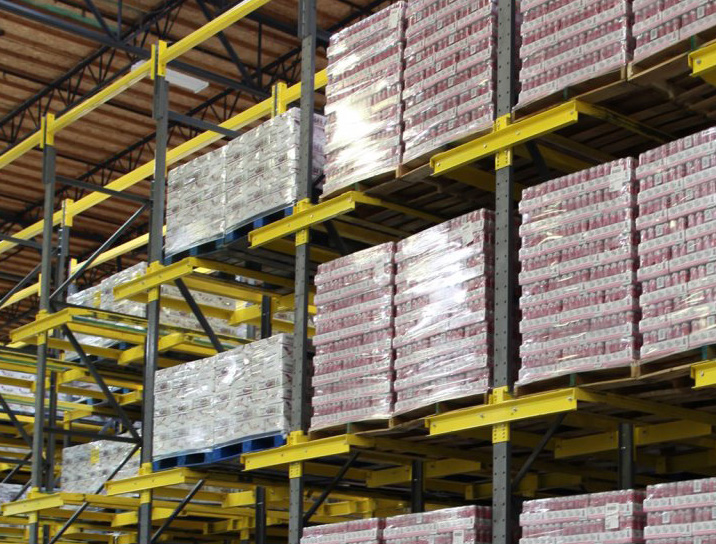
Automation is transforming warehouse operations, but even the most advanced technology depends on one essential element: a robust, intelligently designed racking system.
Racking delineates how efficiently you use space, how safely you store inventory, and how effectively automation can perform.
It’s easy to overlook the value of racking. However, as fulfillment demands increase and technology evolves, the risk of inaction grows. Systems designed for manual handling are straining under higher throughput, heavier loads, and more complex automation. Facilities that assess and modernize their racking now will gain a strategic advantage and avoid the disruption and cost of emergency retrofits later.
Let’s review the value of treating racking as a strategic investment, enabling your warehouse to be automation-ready.
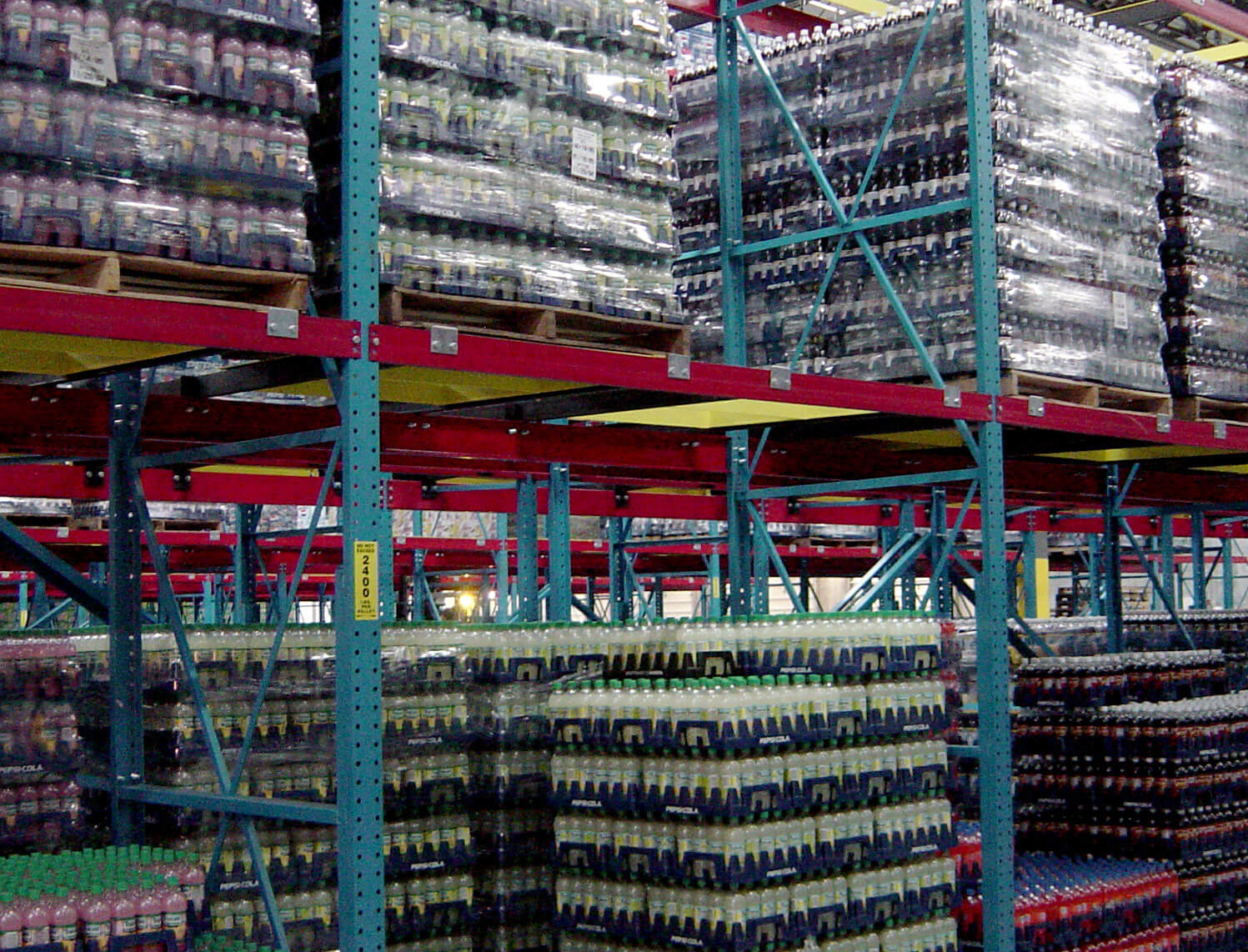
The Shifting Dynamics of Warehouse Storage Design
Warehouse storage design is no longer about how much you can fit within four walls; it’s about how smartly that space supports automation, boosts capacity, and enables productivity.
Several market trends are accelerating this shift:
- Rising throughput demands: E-commerce and omni-channel fulfillment require faster movement and greater SKU variety.
- Labor scarcity: Semi-automated and automated systems are filling workforce gaps.
- Constrained warehouse footprints: Facilities are going higher and denser to maximize every cubic foot.
- Digital connectivity: Every rack position now ties into digital systems for tracking and orchestration.
These changes have made racking a living component of operational strategy an adaptable framework that enables technology rather than constrains it.
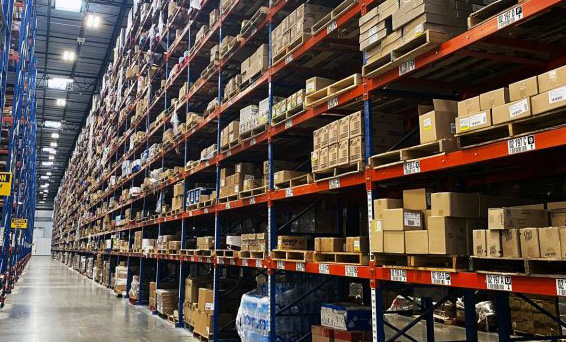
Treat Warehouse Racking as a Strategic Asset
Most warehouse racking assessments occur only after damage, compliance updates, or capacity issues arise. But waiting for failure is no longer viable in today’s supply chain environment.
A proactive racking audit should address:
- Structural integrity – identifying wear or damage that could compromise load ratings and dramatically impact safety.
- System compatibility – ensuring spacing, geometry, and clearances align with automation requirements.
- Scalability – verifying the design supports future system upgrades or higher throughput.
Integrators bring dual expertise in structural systems and automation interfaces, helping facilities evaluate not only what’s safe, but also what’s scalable.
Proactive assessments allow operators to make changes on their own timeline, not under crisis conditions, and ensures upcoming automation projects align with an optimized foundation.
Design for Automation Integration, Not Isolation
Racking and automation should evolve together. Designing systems in parallel ensures every mechanical, digital, and safety element functions as part of a single system.
This forward-thinking mindset includes:
- Interface planning – mapping transfer points between racking, conveyors, and robotics.
- Data integration – aligning location labels and coordinates with WMS/WES systems.
- Safety optimization – ensuring adequate clearances for both people and machines.
The result: higher reliability, fewer reworks, and a facility that can scale seamlessly as new technologies emerge.
Why Acting Now Creates Lasting Advantage
Racking systems often last decades, while warehouse automation continually advances. Taking a wait-and-see attitude can limit agility and increase long-term costs.
Evaluating racking today allows you to:
- Align future automation with existing infrastructure.
- Prevent structural incompatibilities before they arise.
- Increase density and throughput without major redesigns.
- Reduce downtime by phasing improvements strategically.
Warehouses that act now stay ahead of technological shifts positioning themselves to integrate new systems with minimal disruption.
In Conclusion
Warehouse racking might not draw headlines, but it determines the success of every automation project. A thoughtful racking strategy bridges the gap between mechanical engineering and digital intelligence.
Racking should not be an afterthought; it’s the launchpad for scalable, integrated systems. By engineering structures that anticipate automation, they help organizations move confidently into the next generation of material handling.
The message for operators is clear: the time to modernize isn’t after automation arrives; it’s before. Evaluating your storage infrastructure now ensures you’re ready for what’s next, not reacting to what’s already here.
About the Author
Learn more at KPISolutions.com
📞 1.844.KPI.1010
📧 info@kpisolutions.com
🌐 www.KPISolutions.com
📍 801 W. Markey Road, Belton, MO 64012