

Blog
Disconnected Teams, Disconnected Results: Why Cross-Functional Visibility Matters
NBWA Associate Member Ohanafy discusses in their Associate Member Viewpoint how communication breakdowns eat away at distributor margins.
By Ian Padrick, CEO and Co-Founder, Ohanafy
The Real Cost of a Bad Handoff
In today’s high-velocity beverage space, where programs are more complex and margins are tighter than ever, execution depends on cross-functional alignment. Most delivery issues aren’t caused by bad employees. They’re caused by bad handoffs.
Sales doesn’t loop in the warehouse on program details. The warehouse can’t see pricing. Drivers deliver the product on time, but without the correct display instructions or pricing updates.
These aren’t one-off mistakes. They’re everyday breakdowns; small miscommunications that happen at scale, across hundreds of accounts and thousands of SKUs. And while they rarely show up as line items, they quietly erode margin, one preventable error at a time.
Thin Margins Leave No Room for Error
According to the NBWA’s Distributor Productivity Report, the average margin per case is just $0.89, with an average case cost of $4.47. That leaves almost no room for error. A mispriced product, a mispicked package, or an improperly executed display might feel like a small miss. But repeated across hundreds of accounts and thousands of SKUs, even minor missteps can leak 3 to 5 percent of sales. For a $100 million distributor, that’s a $3 to $5 million margin hit. And most of these losses aren’t the result of laziness or neglect. They’re the result of siloed teams working from different systems, different sheets, or no documents at all.
These breakdowns don’t require new teams or more headcount to fix. They require visibility and operational alignment. One way distributors can get this is through technology that connects the entire workflow.
One Operation, One P&L
Beer distributors aren’t made up of sales, warehouse, and delivery. They’re one team with one P&L. But when those teams don’t have shared visibility into what each other is doing, the operation breaks down at the seams. A rep in the market might close a program without documenting where the display is supposed to go. The warehouse might pick the right product but miss the accompanying signage. The driver might show up on time, unaware of how the retailer was incentivized to run the promotion.
These small disconnects happen every day, and they add up. Even if just 3 to 5 percent of deliveries go out missing key promo details, like signage, pricing exceptions, or display instructions, and each one compromises a $200-400 incentive, that adds up fast. For a distributor making 100,000 deliveries a year, that’s $600k-$1.5M in preventable loss, all from details slipping through the cracks.
The supplier sees it as non-compliance. The retailer sees it as a lack of professionalism. The finance team sees it as money lost. Everyone’s doing their job, but nobody’s on the same page.
The 2025 Margin Squeeze
In 2025, the stakes are even higher. Supplier programs are getting more complex, with conditional rebates, mixed pallets and multi-SKU promotions that require tight execution. SKU counts continue to climb across beer portfolios, creating more room for error in warehouse operations. Labor turnover has stripped many teams of the institutional knowledge that used to serve as the safety net. Retailers, from large chains to independents, are less forgiving when execution falls short. There are fewer second chances. One missed display setup, one miscommunication, and you’re out of the promotion – or worse, out of the account.
Visibility Isn’t Optional
Visibility is how beer distribution teams stay aligned, execute consistently and protect margin. Without visibility – which can include shared dashboards, access to real-time pricing and account notes that follow the order from sales to warehouse to delivery — even the best-run operations will see cracks form. And over time, those cracks start to drain more than just dollars; they drain time.
If each team spends even 15 minutes a day chasing down missing details like texts, calls and outdated spreadsheets, that adds up to nearly 1,000 hours of lost productivity per department each year. That’s time that could be spent selling, picking, and delivering – not syncing.
What Solving This Looks Like
Solving the visibility problem starts by treating information as a shared responsibility. If a detail matters to one team, it should be visible to all – whether that’s pricing exceptions, display instructions or delivery constraints.
That means cutting down on scattered spreadsheets, texts and siloed systems. It also means giving every team access to the same data in a way that fits naturally into their workflow. Sales, warehouse and delivery shouldn’t need to chase each other for answers.
When information flows automatically between teams, handoffs get cleaner, execution gets tighter and margin stays protected.
The most effective operators aren’t stitching together more tools; they’re simplifying how work gets done by connecting their teams through one unified system. It’s not about doing more. It’s about operating as one.
About the Author
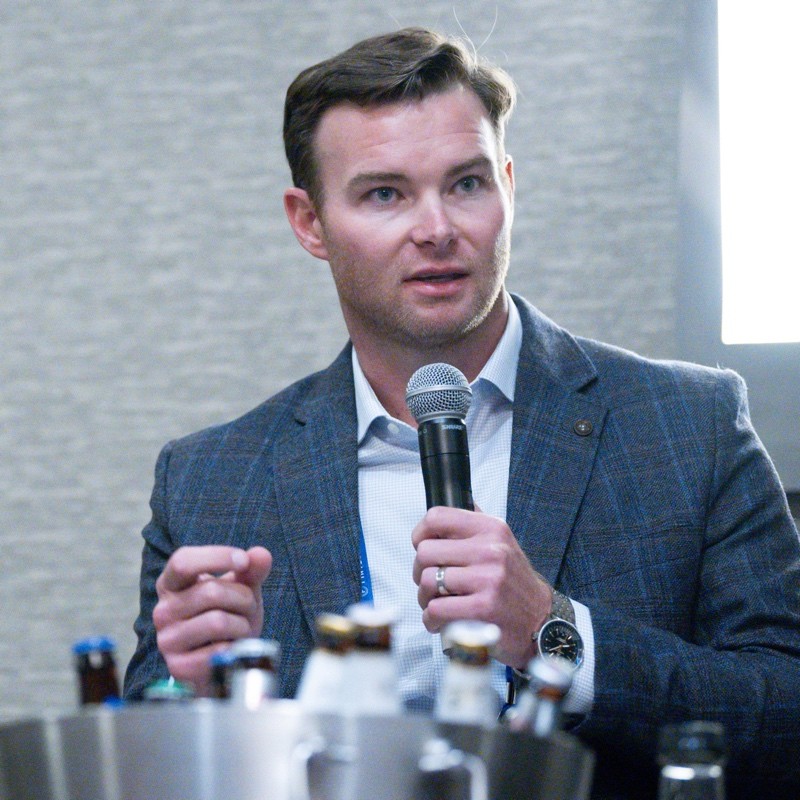 Ian Padrick is the CEO and Co-Founder of Ohanafy, with deep expertise in the Salesforce ecosystem and a career dedicated to driving innovation, efficiency, and growth. With decades of experience in helping businesses scale through technology, Ian brings a unique blend of platform knowledge and industry insight to the beverage space, building solutions that deliver real, measurable impact.
About Ohanafy
Ohanafy is a Salesforce-based platform transforming the beverage industry. Ohanafy empowers wholesalers and suppliers with AI-driven tools that simplify operations, streamline reporting, and accelerate growth. It’s the first system built for the modern beverage industry, not just for today but for what’s next.